The Denolla Script Font: Evaluating a Modern Romantic Typeface
In the diverse world of typography, script fonts offer a distinct avenue for conveying elegance, personality, and emotion. Among these, Denolla has emerged as a notable option for designers seeking a modern romantic aesthetic. Understanding what this typeface offers, its ideal applications, and its potential limitations is crucial for making an informed selection that aligns with your project goals.
What is Denolla?
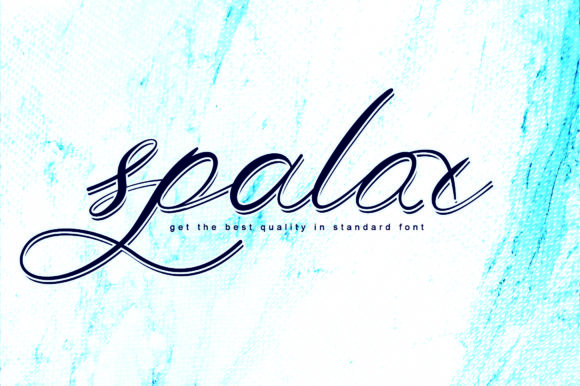
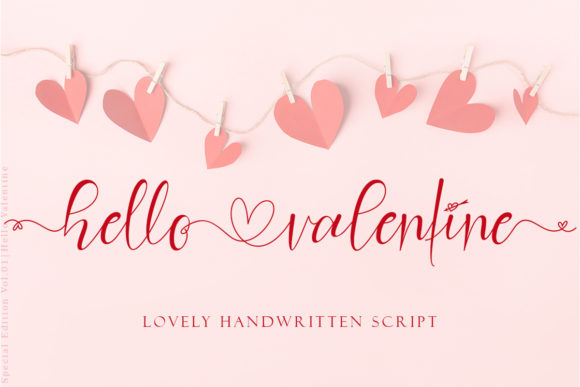
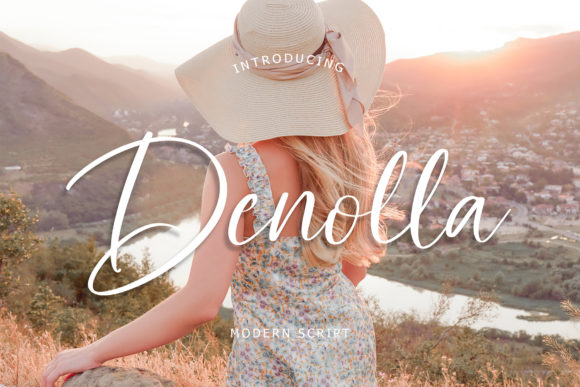
Denolla is a script font characterized by its whispy, flowing lines and contemporary letterforms. It sits within the category of modern calligraphic fonts, blending traditional script elegance with a cleaner, less ornate digital execution. The font's design aims to evoke a sense of calm luxury and romantic sophistication without venturing into the heavily flourished territory of vintage scripts. Its strokes are typically smooth and connected, promoting a sense of fluidity and cohesion in text display.
Key Reasons for Considering Denolla
Designers and project creators might evaluate Denolla for several compelling reasons. Primarily, it serves as a tool to inject a specific emotional tone into visual communication. The font's inherent elegance can elevate the perceived value and aesthetic of a design instantly. For projects where establishing a romantic, gentle, or luxurious brand identity is paramount, a script font like Denolla can be a foundational element.
Furthermore, its modern interpretation of script styling makes it potentially more versatile than highly ornate alternatives. It may maintain readability while still offering stylistic distinction. This balance is particularly valuable in commercial and branding contexts where clarity must coexist with character. The calming visual rhythm of its whispy lines can also contribute to a positive user experience, making designs feel more approachable and refined.
Potential Benefits and Strengths
- Emotional Resonance: The Denolla typeface is engineered to communicate romance, elegance, and sophistication directly through its form, aiding in narrative storytelling within designs.
- Versatility in Application: As suggested, its range of potential uses is broad. Denolla can be considered for branding projects, logo design, wedding invitations, social media graphics, product packaging, and merchandise like T-shirt designs.
- Modern Accessibility: Compared to complex traditional scripts, its cleaner lines may offer better readability at smaller sizes and across various digital mediums, from social media posts to website watermarks.
- Aesthetic Elevation: The font can act as a quick lever to uplift the perceived quality and luxury of a product label, stationery suite, or advertisement.
Tradeoffs and Considerations
While Denolla presents clear strengths, a balanced evaluation requires acknowledging its constraints. Script fonts, by nature, have inherent tradeoffs. The primary consideration is functional readability, especially in extended body text. Denolla is best suited for headlines, logos, short statements, and decorative elements rather than lengthy paragraphs.
Another practical consideration is brand alignment. While romantic and elegant, this specific tone may not align with brands requiring a robust, technical, or minimalist identity. The emotional quality of Denolla is a deliberate feature, not a neutral one. Furthermore, overuse in a crowded design can dilute its impact and create visual clutter. Its successful implementation often depends on thoughtful pairing with more neutral sans-serif or serif fonts for supporting text.
Situations Where Denolla is a Strong Fit
Evaluating project context is key. Denolla may be an excellent selection when the project's core message is inherently romantic, celebratory, or luxury-oriented. Wedding design is a quintexample, from invitations to signage. In branding, a boutique lifestyle brand, a beauty product, or a high-end culinary business might leverage Denolla for its logo or primary packaging to instantly communicate its market position.
For individual creators, such as photographers using it for a elegant watermark or small businesses creating sophisticated social media posts for a special product launch, Denolla can provide a professional, cohesive look without requiring custom illustration. Its utility in short-form, high-impact contexts is a significant advantage.
When to Consider Alternatives
A thorough font selection process always involves weighing alternatives. If your project demands high readability for extensive text—such as a book, manual, or long-form website content—a serif or sans-serif font would be a more functional primary choice. Denolla could still play a secondary decorative role.
For brands or projects targeting an audience that values stark modernity, industrial strength, or playful whimsy, other font categories will better serve the communication goal. Even within the script font category, alternatives exist: more bold and dramatic scripts for louder statements, or more handwritten, casual scripts for an organic feel. If the specific "modern romantic" niche of Denolla does not match your required tone, exploring these adjacent styles is advisable.
Practical Decision-Making Insights
To determine if Denolla aligns with your needs, start by concretely defining the emotional and functional goals of your project. Map the font's characteristics against these goals. Create mockups using Denolla for intended applications—a logo sketch, an invitation layout, a packaging label—and assess both its aesthetic impact and practical clarity.
Consider the entire typographic system. How will Denolla pair with other fonts? Ensure you have a plan for supporting text. Also, verify technical aspects like language support, available weights (e.g., regular, bold), and licensing terms for your intended use, whether personal or commercial. A font's beauty is only one part of its suitability; its usability within your workflow and legal framework is equally important.
Conclusion: Aligning Form with Function
Denolla offers a specific and potent stylistic tool for designers. Its value lies in its focused ability to convey modern romance and elegance through whispy, calming lines. Successful use hinges on recognizing its strengths as a decorative and tone-setting font for headlines, logos, and short applications across mediums from print stationery to digital advertisements. A careful evaluation of your project's need for this particular emotion versus the universal need for readability and brand alignment will guide you toward a confident decision. Whether Denolla becomes the centerpiece of your next design or an alternative proves more fitting, this analytical approach ensures your final typographic choice truly serves your creative and communicative objectives.