Roasted Coconut: A Playful Script for Serious Results
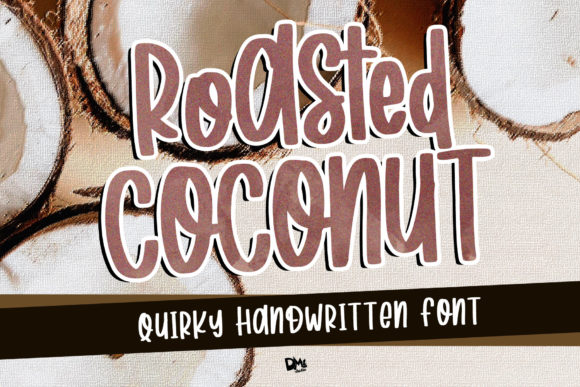
In a landscape where digital communication often leans towards sterile uniformity, the strategic introduction of personality can be a powerful differentiator. Roasted Coconut, a font that carries an incredibly fun and playful script style, offers more than just a visual flourish. It is a tool for thoughtful designers, marketers, and creators who understand that authenticity in presentation can directly influence perception, engagement, and ultimately, outcomes. This isn’t about merely decorating a page; it’s about intentionally choosing a voice that resonates.
The Strategic Value of Authentic Personality
Every design element you select communicates a subtext. A sleek, minimalist sans-serif conveys efficiency and modernity. A sturdy serif suggests tradition and reliability. Roasted Coconut, with its handwritten warmth and organic flow, communicates approachability, creativity, and a human touch. This authentic feel is not a superficial detail. In contexts where building trust, sparking joy, or fostering a sense of community are key goals, the font becomes a strategic asset.
Consider the goals of a small business owner launching a local bakery’s website. The primary objectives might be to evoke the warmth of a neighborhood shop, highlight the handmade quality of the products, and create an inviting digital space. A generic web font might fail to capture that essence. Roasted Coconut, used intentionally for headlines, brand names, or call-out quotes, instantly injects that personal, crafted feel, aligning the visual language directly with the business’s core identity and customer experience goals.
Aligning Roasted Coconut with Clear Objectives
The key to leveraging Roasted Coconut effectively is to tie its use to a specific communicative purpose. Random application as a default body font would undermine its strength and likely harm readability. Instead, think of it as a specialist tool within your typographic toolkit.
- Branding & Positioning: For logos, taglines, or brand marks where you want to signal creativity, artisan quality, or playful sophistication, Roasted Coconut can help carve out a distinct niche. It tells your audience something about your character before they read a single sentence.
- Targeted Communication: Use it to highlight key messages that benefit from emotional weight: a heartfelt thank you note to customers, a playful announcement for a new product line, or an inspirational quote on an educational platform. It draws the eye and frames the text with a specific tone.
- Enhanced User Experience: In interfaces or publications, sparing use for icons, labels, or navigation elements in a relaxed, creative app can make the experience feel more engaging and less corporate.
Practical Implementation and Planning Tips
Adopting Roasted Coconut requires a mindful approach. Its playful nature demands context. Begin by asking: what is the primary emotional or practical goal of this piece of communication? If the answer involves formality, dense information transfer, or extreme seriousness, another font choice is likely more appropriate. Roasted Coconut thrives in spaces where connection and personality are paramount.
In your planning phase, treat it as an accent. A successful plan might involve:
- Establishing a Hierarchical Structure: Choose a highly readable sans-serif or serif for all body text and primary information. This ensures clarity and accessibility.
- Identifying Accent Points: Map out where in your layout you want to create emphasis or convey a specific tone—section headers, pull quotes, product names, or call-to-action buttons.
- Testing for Balance: Implement Roasted Coconut at these accent points and review the overall composition. Does it enhance the message without overwhelming it? Does it maintain a professional credibility while adding warmth?
For example, a freelance creator’s portfolio website might use a clean, geometric font for project descriptions and client lists, ensuring information is easy to digest. Then, Roasted Coconut could be employed for the page title “My Work” and the personal slogan under their name, instantly personalizing the space and making the creator’s individual style memorable.
Considerations Before Commitment
While Roasted Coconut offers distinct advantages, thoughtful practitioners consider potential friction. Its script style may pose challenges for extremely long text blocks, harming readability. It also may not align with brands that have established identities rooted in austerity or technical precision. Furthermore, overuse can dilute its impact, turning a strategic accent into mere clutter.
The risk lies in using Roasted Coconut without this clear, goal-oriented context. Applying it indiscriminately because it is “fun” can result in a disjointed, confusing user experience where the visual language contradicts the actual content or brand values. The font should support and amplify your message, not compete with it.
Long-Term Value of Intentional Design Choices
Viewing typography like Roasted Coconut through a strategic lens contributes to stronger, more cohesive long-term results. Consistent, intentional use builds a reliable brand voice. Customers and audiences come to recognize and associate that playful authenticity with your offerings, deepening brand recall. For educators and bloggers, it can make learning materials or articles feel more inviting and less textbook-like, potentially increasing engagement and time spent with the content.
This approach also fosters operational efficiency in creative workflows. By defining clear roles for different fonts—Roasted Coconut for personality, another for clarity—you create a reusable design system. This system speeds up future projects and ensures consistency across all touchpoints, from social media graphics to printed brochures, solidifying your professional presentation.
Ultimately, Roasted Coconut is a reminder that effective design operates on two levels: the functional and the emotional. It delivers information and simultaneously shapes how that information is received. By harnessing its authentic feel with purpose, you move beyond aesthetics into the realm of strategic communication, making deliberate choices that support your broader goals of connection, differentiation, and meaningful impact.