Charlotte Wilson: A Versatile Script Font for Creative Projects
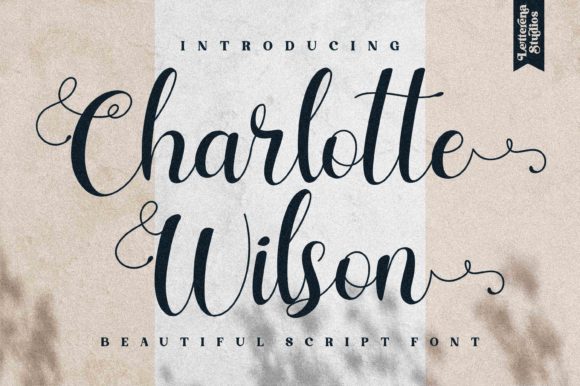
In the world of digital typography, finding a script font that balances elegance with practicality can be a challenge. Charlotte Wilson emerges as a distinctive solution, offering a beautiful calligraphy style characterized by a clear contrast between its robust letterforms and its delicate, flowing swashes. This isn't merely a decorative font; it’s a functional tool designed for creators who need both romance and readability. Its PUA encoding ensures that every glyph and swash is readily accessible, removing technical barriers and allowing your creativity to flow directly from idea to execution.
The Practical Romance of Thick and Thin
What sets Charlotte Wilson apart is its intentional design duality. The thick strokes provide a foundation of stability and visibility, ensuring text remains legible even at smaller sizes or on busy backgrounds. Meanwhile, the thin swashes introduce an element of sophisticated flair, reminiscent of traditional penmanship. This contrast makes it incredibly versatile. For a logo, you might use the solid base letters to establish brand presence, while employing swashes on a single initial for a touch of personality. On an invitation, the swashes can weave through the text, creating a sense of occasion without sacrificing the clarity of the event details.
This balance means Charlotte Wilson avoids feeling overly fragile or, conversely, too heavy. It sits in a practical middle ground—a romantic calligraphy font that understands it needs to work in real-world applications. Whether printed on a textured shopping bag or displayed as a watermark on a digital photograph, its design ensures the message is delivered beautifully and effectively.
Adapting the Font to Your Project’s Audience
A font’s success hinges on its connection with the intended audience. Charlotte Wilson’s inherent warmth makes it adaptable across various demographics and purposes.
For Brands and Businesses
Small business owners, marketers, and entrepreneurs can leverage Charlotte Wilson to convey craftsmanship and attention to detail. For a boutique bakery’s packaging or a ceramicist’s logo, the font communicates artisanal quality. The key is to tailor its use. For a primary logo, consider a clean set of the base letters. For secondary branding elements—like a tagline on a name card or a special quote on a product label—introduce swashes to create hierarchy and visual interest. This controlled variation maintains brand consistency while adding depth.
For Personal and Event-Based Creations
Bloggers, freelancers, and hobbyists often work on projects that require a personal touch. Charlotte Wilson excels here. Use it for the title on a book cover for a romance novel or a memoir, setting the thematic tone immediately. On greeting cards or invitation cards, pair it with simpler sans-serif fonts for body text to ensure all practical information is easy to read. This combination keeps the design audience-friendly: the script provides the emotional hook, while the supporting text delivers the facts.
For Digital and Merchandise Applications
Educators creating special event materials or publishers designing website banners can use Charlotte Wilson to break away from standard web fonts. As a PUA encoded font, it integrates smoothly into design software, allowing you to create unique graphics for social media or online courses. On physical items like mugs or t-shirts, its thick letters ensure the print remains vibrant and clear, while the swashes can be used to create custom, interconnected monograms or signatures that feel original.
Creative Applications and Project Ideas
Moving beyond general categories, let’s explore specific applications that highlight the font’s flexibility. These ideas are starting points meant to spark your own adapted versions.
- Homeware Designs with a Narrative: Apply Charlotte Wilson to a series of coordinated items—a set of tea towels, recipe cards, and a wall art quote. Use a consistent level of swash detail across the collection to create a unified, story-like aesthetic for your kitchen or living space.
- Product Packaging with Layers: Design a primary label using the strong base letters for the product name. On a secondary seal or ribbon detail, use a heavily swashed version of a single word like “Pure” or “Handmade.” This layered approach guides the consumer’s eye and emphasizes key qualities.
- Dynamic Quotes and Posters: Instead of using the script for the entire quote, set a powerful first word in Charlotte Wilson with swashes, then complete the quote in a complementary, simpler font. This creates focal points and improves readability for longer texts on posters or blog graphics.
- Branding Projects with Signature Elements: Develop a custom signature logo or icon by combining letters from Charlotte Wilson into a unique ligature or monogram. This can serve as a versatile brand mark for a freelance creative, used across everything from email signatures to shopping bags.
The principle across all these ideas is selective enhancement. You don’t need to use every swash on every letter. Often, applying decorative elements to just a few key characters achieves a more organized and sophisticated result.
Maintaining Clarity and Originality
While Charlotte Wilson offers beautiful tools, effective design requires mindful application. Here are some grounded recommendations to keep your outcomes clear and original.
First, consider spacing and background. Script fonts often need extra breathing room. Increase letter spacing slightly when using swashes to prevent them from tangling visually, especially on dense backgrounds like photography. Second, establish a rule for swash usage within a project. Decide whether you’ll apply them only to capital letters, only to the first and last words, or only to specific letters. This consistency prevents the design from feeling chaotic.
For originality, combine Charlotte Wilson with fonts from distinctly different categories. Pairing it with a geometric sans-serif or a clean serif creates contrast that makes the script stand out more, rather than letting it drown in a sea of similar decorative elements. Also, explore its use in unexpected contexts. Could the thick letters form a bold, abbreviated watermark for a photography portfolio? Could delicate swashes frame a simple line drawing on a label? Experimentation within the bounds of legibility often yields the most unique results.
A Tool for Grounded Creativity
Ultimately, Charlotte Wilson is a font designed to serve, not to overshadow. Its romantic calligraphy style is backed by a pragmatic structure—thick letters for clarity, PUA encoding for access, and delicate swashes for controlled embellishment. It understands that a beautiful script taste must align with project goals, audience needs, and practical constraints.
For creators, designers, and anyone looking to infuse their work with elegance, it provides a reliable starting point. The creative possibilities are broad, from homeware to branding, but they are anchored by the font’s inherent balance. By adapting its application, pairing it thoughtfully, and applying its decorative elements with purpose, you can create work that is both inspiring and effectively communicates its message. Let the contrast between thick and thin in Charlotte Wilson be a reminder: in design, strength and delicacy can coexist to create something truly useful and beautiful.